 FDA Thailand
 Importers
What is a medical device in Thailand: definition, four risk classes and what to file
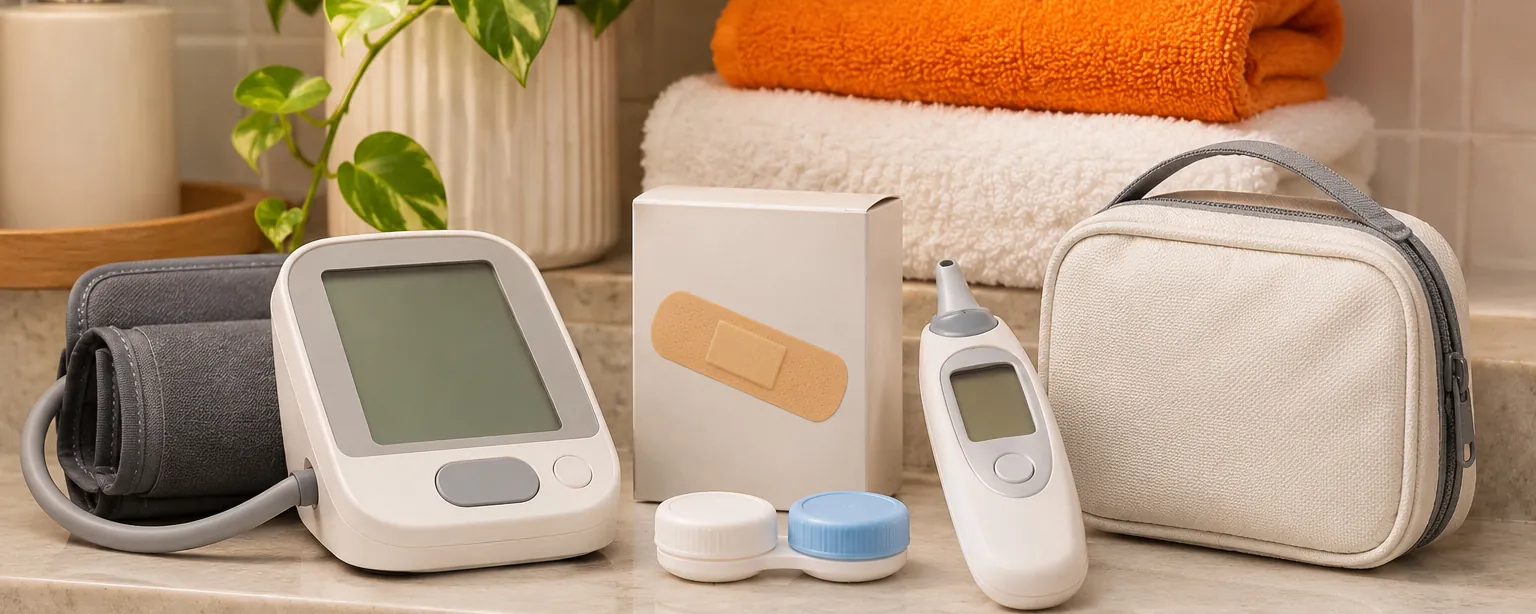
What is a medical device under Thai law
Whether a product counts as a medical device in Thailand is decided by the Medical Device Act B.E. 2551 (2008), as amended by the Medical Device Act (No. 2) B.E. 2562 (2019). The amendment aligned Thai law with the ASEAN Agreement on Medical Device Directive and applies to manufacturers, importers, sellers and advertisers.
The amended definition in Section 4 covers instruments, apparatus, implants, reagents, software and accessories that the manufacturer intends for use on humans or animals for purposes such as:
- diagnosing, preventing, monitoring or alleviating disease or injury
- investigating, replacing, modifying or supporting anatomy or a physiological process
- supporting or sustaining life, controlling conception or assisting reproduction
- assisting or compensating for a disability
- examining specimens derived from the body, or disinfecting medical devices
The key condition is that the intended action in or on the body is not achieved mainly by pharmacological, immunological or metabolic means. If it is, the product falls under drug law instead. Products applied externally for cleanliness or beauty fall under cosmetic law.
Intended purpose, not appearance, decides whether it is a medical device
The most common question is whether a particular product is a medical device. The answer depends on the purpose the manufacturer states on the label and instructions, not on the product's shape. The Thai FDA Medical Device Control Division's product ruling summaries give clear examples:
- Glasses: frames supplied with prescription lenses are a Class 1 medical device, while frames with non-prescription lenses and non-prescription sunglasses are not medical devices.
- Contact lenses: daily or monthly lenses are Class 2 and yearly lenses are Class 3 because they stay on the eye longer, but a lens case is not a medical device.
- Breast pumps: manual pumps are Class 1 and electric pumps are Class 2, while feeding bottles and teats are not medical devices.
- Lubricant gel: it falls within the definition if the label and instructions state that its main purpose is use with condoms; if they do not, it does not.
- Tooth whitening products: a 2018 Ministry of Public Health notification makes products containing or releasing more than 6% hydrogen peroxide, or up to 6% but with total fluoride above 0.11%, medical devices.
These examples show that products that look the same can fall under different laws depending on the wording the manufacturer chooses. Writing the intended purpose on the label is a legal decision from day one. If you are unsure, run a first check with the product classification tool.
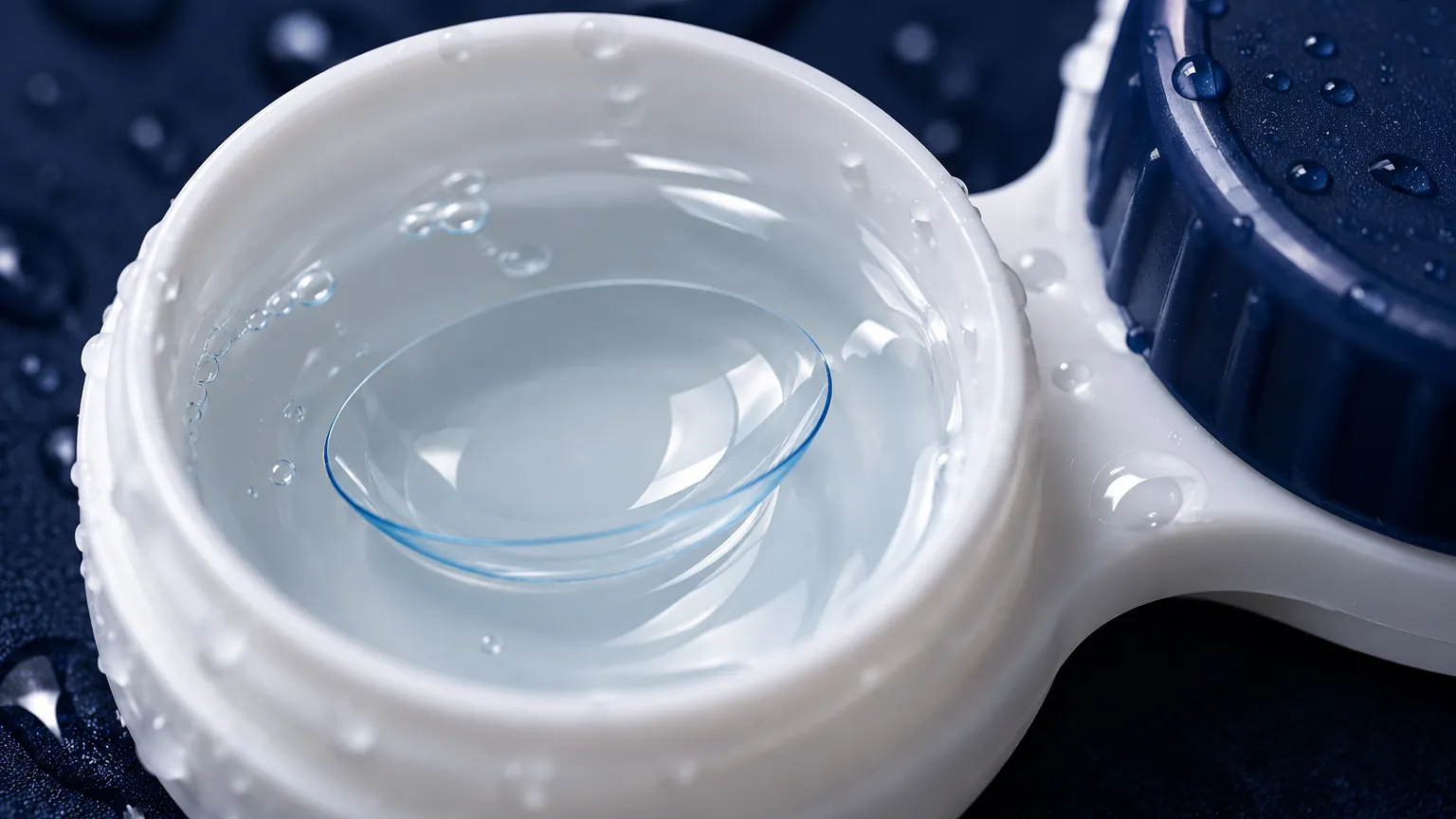
Source: Product ruling summaries: Group 11 Eyes, Group 15 Mother and Child, Group 16 Contraception or Reproduction (Medical Device Control Division, Thai FDA)
Medical device classification in Thailand: four risk classes
The 2019 Ministry of Public Health notification on classifying medical devices by risk divides them into two groups: in vitro diagnostic devices (IVD), such as test kits and reagents, and non-IVD devices. Each group has four classes.
| Class | Risk level | Examples from Thai FDA rulings |
|---|---|---|
| 1 | Low | Prescription glasses, manual breast pumps |
| 2 | Low to moderate | Daily or monthly contact lenses, electric breast pumps |
| 3 | Moderate to high | Yearly contact lenses, condoms |
| 4 | High | Certain implants, devices incorporating a medicinal substance |
For non-IVD devices the rules look at four factors: how invasive the device is, how long it stays in the body, how it is used and its biological effect. The Thai FDA classification guide defines duration as transient (under 60 minutes), short term (60 minutes to 30 days) and long term (over 30 days). IVD devices are classified by intended purpose, the user's expertise and the impact of the result on the individual and on public health.
Test kits that consumers buy for home use are IVD devices too. The classification notification makes self-testing devices Class 3, but Class 2 if the result does not indicate a critical medical condition or is a preliminary result that needs laboratory confirmation. It gives pregnancy tests, fertility tests and urine tests as Class 2 examples, while self-monitoring blood glucose kits are Class 3 and specimen containers are Class 1.
If a device fits more than one class, the highest applies; if it has several purposes, the riskiest purpose applies. For example, ordinary condoms are Class 3, but condoms containing the anaesthetic benzocaine are Class 4.
- 1Class 1, low riskNotification receipt
- 2Class 2, low to moderateListing receipt
- 3Class 3, moderate to highListing receipt
- 4Class 4, high riskLicence
Source: MOPH notification on classifying medical devices by risk level (2019)
Notification, listing or licence: what each class requires
The risk class determines what a manufacturer or importer must submit to the Thai FDA before manufacturing or importing. The 2019 amendment sets three control measures:
- Notification for Class 1, resulting in a notification receipt
- Listing (detailed declaration) for Classes 2 and 3, resulting in a listing receipt
- Licence for Class 4, resulting in a licence
The risk classification notification also allows the Minister to set groups differently to protect consumers, so always check the 2020 notifications on devices requiring notification and devices requiring a licence. The licence list covers, for example, certain surgical or implantable devices, devices incorporating a medicinal substance, devices made from certain cells or tissues, and high-risk infectious disease tests that meet stated conditions.
Before submitting any product, a manufacturer or importer must first register its establishment. After approval there are ongoing duties, such as following a quality system, appointing a qualified controller, keeping records and reports, and reporting malfunctions or adverse events whether they occur in Thailand or abroad.
For importers, the full process and documents are in Importing medical devices into Thailand, and for small items such as test kits or wound dressings see Importing small medical supplies.
Selling medical devices: what shops and distributors need to know
The amended Act prohibits anyone from selling a medical device that does not have a licence, listing receipt or notification receipt. Shops and distributors should therefore check the status of every product before taking it on, whichever importer they buy from.
Some devices have specific notifications that require the seller to hold a sales licence and restrict who may buy. Examples include:
- Silicone breast implants: sold only to healthcare facilities, medical practitioners or licensed medical device sellers.
- Injectable hyaluronic acid for correcting skin defects: manufacturers, importers and sellers must all be licensed.
- Dental devices listed in the 2024 notification, such as dental implants, orthodontic appliances and clear aligners: sold only to dental facilities, dentists or licensed sellers.
- HIV-related test kits: subject to specific sales conditions under their notification.
The 2020 Ministry of Public Health notification on medical devices that may be sold only to healthcare facilities or professionals also lists certain devices that cannot be sold to the general public, such as HIV test kits, except self-screening kits, which have a separate notification. Sellers need to plan their sales channels to match from the start.
In addition, the 2024 Ministry of Public Health notification on medical devices banned from direct selling prohibits selling devices not intended for lay use, which must be used by or on the advice of a healthcare professional, through direct selling or direct marketing.
If you plan to run a wholesale or distribution business, the licence steps, premises, controller and post-licence duties are covered in Medical device distributor in Thailand: when you need a sales licence and how to get one.
- ✓The product has a licence, listing or notification receipt
- ✓Check whether a product-specific notice requires a sales licence
- ✓Sell only to the buyers the notice allows
- ✓No direct selling of professional-use devices
Software and apps as medical devices
The 2019 definition includes software, so an app or program can be a medical device even without hardware. The Thai FDA guideline on software and artificial intelligence as medical devices (October 2024) screens for three things:
- whether the software is embedded in a device or works on its own
- whether it is an accessory that controls or monitors another medical device
- whether it has a medical purpose within the definition
Software without a medical purpose, such as a general exercise log, is outside the scope. Software with a medical purpose is classified by the same rules as other devices; for example, software that controls or monitors a device and directly affects its performance is Class 3. Health app developers should define the intended purpose clearly before designing features.
Labels and advertising for medical devices
Labels. The 2025 Ministry of Public Health notification on labels and instructions for use of medical devices requires Thai-language labels and instructions for devices used by lay people; devices for professionals may use Thai or English. Instructions may be on paper or electronic, and software without a physical form may show the information electronically. The amended Act also requires that labels and instructions contain no false or exaggerated statements.
Advertising. Advertising medical devices to the public requires an advertising permit through the Medical Device Control Division's system. The Thai FDA guide to medical device advertising permits lists what is not allowed, such as:
- false, exaggerated or misleading statements
- endorsements of the product's benefits by individuals
- encouraging use beyond what is necessary
- comparing with or disparaging other products
Products on the border between medical devices and cosmetics need particular care, because advertising that suggests a medical effect can make a product look like a medical device while it is notified as a cosmetic. For help preparing an advertising application, see the advertising permit service.
Checklist before you manufacture, import or sell a medical device
Use this list before you start manufacturing, importing or taking a product on for sale:
- The intended purpose on the label and instructions meets the medical device definition, and the main effect is not achieved by drug-like means
- The device is identified as IVD or non-IVD and classified 1 to 4, using the highest class if several apply
- The notifications on devices requiring notification and devices requiring a licence have been checked
- The manufacturing or import establishment is registered and has a controller
- Any product-specific notification on standards, labels or sales applies, and whether the seller needs a sales licence
- Labels and instructions are in Thai if lay people will use the device
- Advertising has been approved before publication
Run a first check with the product classification tool, check import readiness with the import checker, and ask case-specific questions with the Thai FDA assistant. If you want a team to classify your product and prepare Thai FDA submissions, see registration services and import services, or reach us through the contact page.
Frequently asked questions
What is a medical device in Thailand?
Under the Medical Device Act, it is an instrument, apparatus, implant, reagent, software or accessory intended for diagnosing, preventing, monitoring or alleviating disease or injury, supporting the body, controlling conception or assisting people with disabilities, where the main effect is not achieved by drug-like means.
How are medical devices classified in Thailand?
There are two groups, IVD and non-IVD, each with four risk classes. Class 1 requires notification, Classes 2 and 3 require listing, and Class 4 requires a licence.
How do I know whether my product is a medical device?
Look at the purpose the manufacturer states on the label and instructions. Prescription glasses are medical devices but non-prescription glasses are not, and lubricant gel qualifies when its main stated purpose is use with condoms.
Do I need a licence to sell medical devices?
Some devices have specific notifications that require a sales licence, such as silicone breast implants, injectable hyaluronic acid and dental devices listed in the 2024 notification. The amended Act also prohibits anyone from selling a medical device that does not have a licence, listing receipt or notification receipt.
Can an app be a medical device?
Yes, if it has a medical purpose within the definition. The 2019 amendment includes software, and the Thai FDA has a guideline on software and AI as medical devices. Apps without a medical purpose are outside the scope.
Does medical device advertising need approval?
Advertising medical devices to the public requires an advertising permit through the Medical Device Control Division's system, and false or exaggerated statements, personal endorsements and encouraging unnecessary use are not allowed.
Sources
- Medical Device Act B.E. 2551 (2008) and amendments · Open source · Search our archive
- Medical Device Act (No. 2) B.E. 2562 (2019) · Open source · Search our archive
- MOPH notification on classifying medical devices by risk level (2019) · Open source · Search our archive
- Guide to medical device risk classification rules (Medical Device Control Division) · Open source · Search our archive
- MOPH notification on medical devices requiring notification by manufacturers or importers (2020) · Open source · Search our archive
- MOPH notification on medical devices requiring a licence for manufacturers or importers (2020) · Open source · Search our archive
- Product ruling summary: eyes (Medical Device Control Division) · Open source · Search our archive
- Product ruling summary: mother and child (Medical Device Control Division) · Open source · Search our archive
- Product ruling summary: contraception or reproduction (Medical Device Control Division) · Open source · Search our archive
- MOPH notification designating tooth whitening products as medical devices (2018) · Open source · Search our archive
- MOPH notification on silicone breast implants (2019) · Open source · Search our archive
- MOPH notification on injectable hyaluronic acid for correcting skin defects (2019) · Open source · Search our archive
- MOPH notification on criteria for selling dental medical devices (2024) · Open source · Search our archive
- MOPH notification on HIV-related test kits · Open source · Search our archive
- MOPH notification on medical devices that may be sold only to healthcare facilities or professionals (2020) · Open source · Search our archive
- MOPH notification on medical devices banned from direct selling or direct marketing (2024) · Open source · Search our archive
- Thai FDA guideline on software and artificial intelligence as medical devices (October 2024) · Open source · Search our archive
- MOPH notification on labels and instructions for use of medical devices (2025) · Open source · Search our archive
- Guide to medical device advertising permits (Medical Device Control Division) · Open source · Search our archive
This article is for general information. It is not a Thai FDA ruling or legal advice, and rules change — check the latest notification or ask an expert before filing or producing. Spotted an error? Tell us and we will correct it
Related articles
 ImportersMedical device distributor in Thailand: when you need a sales licence and how to get oneWhen a medical device distributor in Thailand needs a sales licence, who may buy listed devices, controllers, premises, signs, GDP and post-licence duties.
 ImportersImporting small medical supplies into Thailand: what approval appliesImporting test kits, specimen containers or wound dressings into Thailand: risk classes, listing vs notification vs licence, and exemption routes.
 ImportersImporting medical devices into Thailand: licensing by risk class, from listing to licenceHow to import medical devices into Thailand: establishment registration, risk classes 1–4, listing, notification or licence, documents and Thai labels.