 FDA Thailand
 Brand owners
Vetchasueksa Phaetsat Sangkhep: The Thai Medicine Textbook a Teacher Rewrote for Students, Now a National Text
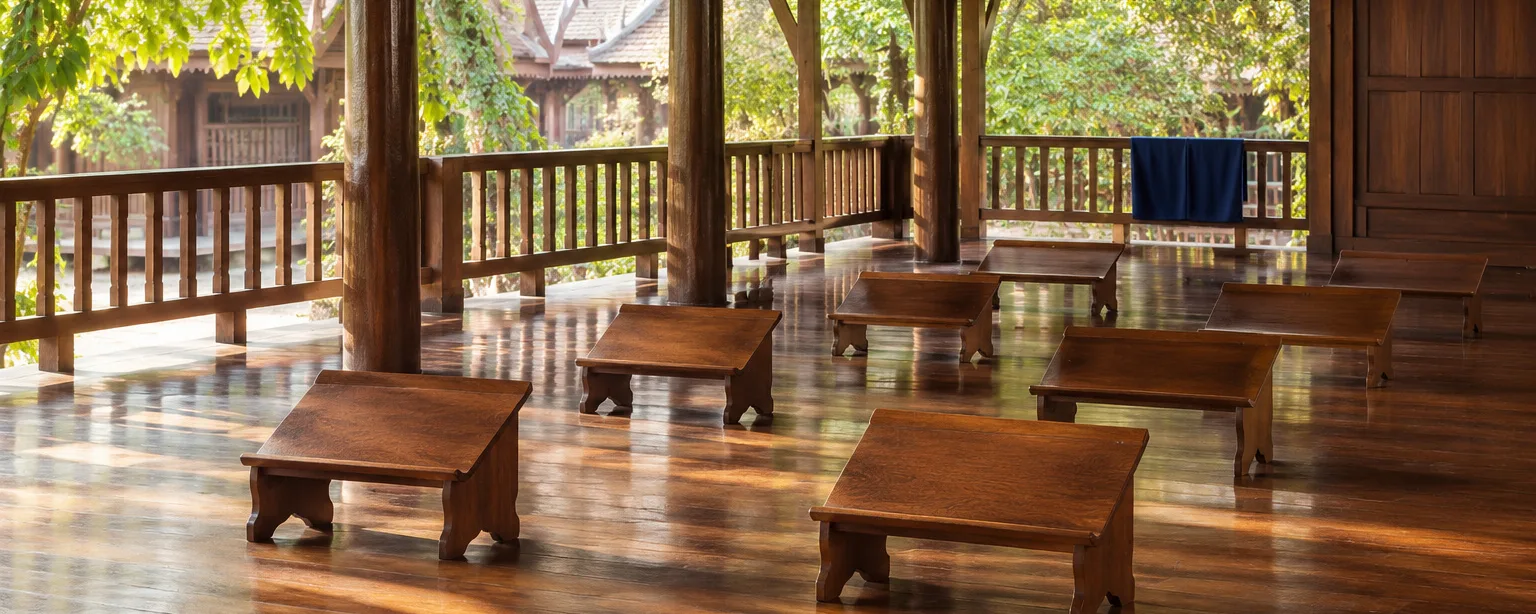
What is the Vetchasueksa Phaetsat Sangkhep: a three-volume Thai medicine textbook that is now a national text
The Vetchasueksa Thai medicine textbook, in full "Vetchasueksa Phaetsat Sangkhep", is a three-volume study text of Thai traditional medicine. Phraya Phitsanu Prasat Vet (Khong Thawonwet), a teacher of Thai medicine at the Royal Medical College (Ratchaphaetthayalai), compiled it so that beginners could read it easily, and it was first printed in Rattanakosin Era 127 (1908). The Ministry of Public Health declared the set a national Thai traditional medicine text in Notice No. 20 of 2018. The list attached to the notice says volume 1 has 72 formulas, volume 2 is "a text for studying medicine at the beginner level", and volume 3 has 197 formulas, 269 formulas in total. These formulas are therefore national Thai traditional medicine formulas, and anyone who wants to produce or develop them for trade must first obtain permission.
This article tells the story of the set in time order: a royal textbook that was hard to read, the teacher who rewrote it in simpler form, the classroom of the Vetcha Samoson school, the reprint at Wat Pho, and the standard textbook for the licensing exam. It then sets out what brand owners should know if they want to tell this story or use a formula. For an overview of rights in all kinds of Thai traditional medicine formulas, read Thai traditional medicine formula rights.
A note on spelling
Notice No. 20 spells the compiler's title
Source: MOPH Notice (No. 20) 2018 · Thai Youth Encyclopedia vol. 33 · Wattana Chayathawat (2021)
The teacher who rewrote the royal textbook to be easy to read: Phraya Phitsanu Prasat Vet and the year 1908
The story of the Vetchasueksa starts decades before the text itself. The Thai Youth Encyclopedia, volume 33, says that in 1870 King Rama V had the scattered Thai medical texts, which had drifted through repeated copying, revised to match their originals. The revised set was called the "royal edition of medical texts"
A royal textbook that was hard to read
According to Wattana Chayathawat (2021), Phraya Phitsanu Prasat Vet, whom the article calls "an expert teacher of Thai medicine at the Royal Medical College and manager of the Vetcha Samoson school", asked Prince Damrong Rajanubhab, president of the Vajirayana Library, for permission to print the "Phaetsat Songkhro, royal edition" in two complete volumes. It was first printed on 1 March 1907, checked against the royal originals in the Vajirayana Library. The Thai Youth Encyclopedia, volume 33, records that the state declared it an official royal textbook (read the story of that book in Phaetsat Songkhro).
The royal textbook was large and detailed, but for students just starting out it was too hard. The encyclopedia says that in 1908 he found the text difficult to study, so he "selected only what was needed and rewrote it to be easier", and printed it in three volumes under the name Phaetsat Sangkhep, or the Vetchasueksa, which was later also declared an official royal textbook. Notice No. 20 likewise says the text was first printed in Rattanakosin Era 127, which is 1908.
"Sangkhep" means "in brief" or "in summary". The title says plainly what the author meant: a short medical text for learners, not a replacement for the full royal edition.
The teacher's life, according to lecture notes
The personal history we could read in full comes from a single source: lecture notes on Thai medicine by Saengsit Kritsadi of Suan Sunandha Rajabhat University. The notes say he was a student of Phraya Prasoet Sat Thamrong (Nu). He was a physician at Wang Lang Hospital (Siriraj) from its founding in 1888, became chief physician of Burapha Hospital in 1893, became manager of the Vetcha Samoson school in 1905 and was made a Phraya in 1907. In the reign of King Rama VI he was a royal physician, received the surname "Thawonwet" in 1913, and died in 1914. The same notes say he was once sent to help with epidemics in the provinces, found local healers' texts along the way, and checked them against texts in the library.
We have not found a second readable source to confirm his years of birth and death or this sequence of posts, so they are given here as information from those lecture notes. His roles as a Thai medicine teacher at the Royal Medical College and manager of the Vetcha Samoson school are confirmed by an academic article and a library catalogue record.
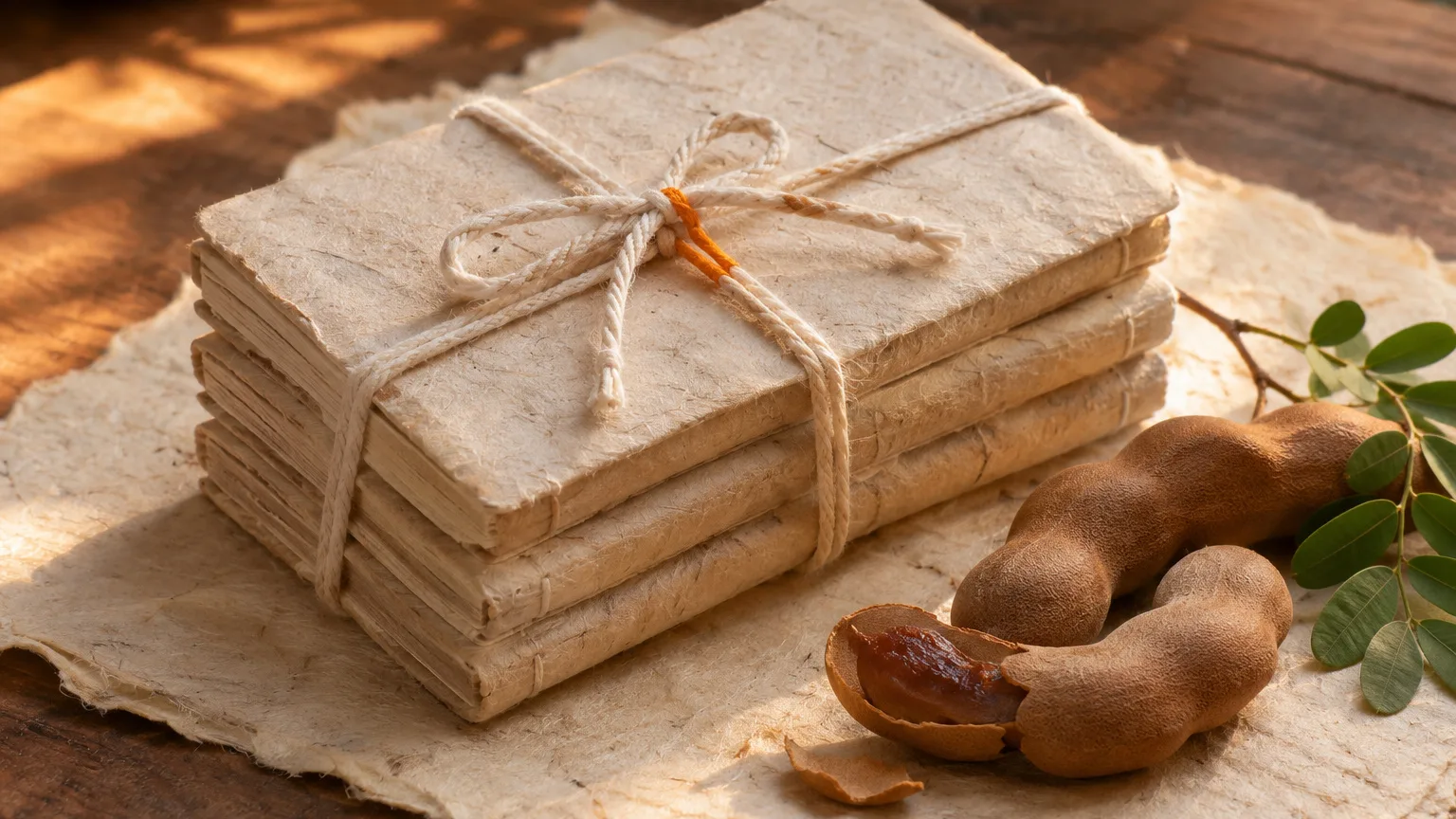
What is inside the three volumes, and which book the name Khamphi Vetchasueksa refers to
The list attached to Notice No. 20 divides the text into three volumes and gives formula counts as follows.
- Volume 1 has 72 formulas
- Volume 2 is described in the notice as "a text for studying medicine at the beginner level", with no formula count
- Volume 3 has 197 formulas
That makes 269 formulas, as stated in the notice. The notice does not name the formulas one by one. To know which formula is in which volume, you need the text itself or the preliminary information from the registrar, explained in the section on using a formula below.
A handbook for students of medicine
The catalogue record at Sripatum University Library notes a line printed in the book itself: it is "a handbook for students of medicine" by Phraya Phitsanu Prasat Vet, manager of the Vetcha Samoson school. This confirms that the set was made for study, not as a household formulary.
Lecture slides from Suan Sunandha Rajabhat University that summarise this text say it opens with the physician's "four duties": know where the disease sits, know the name of the disease, know the medicine, and know which medicine is used for which disease. It then explains the four causes, namely the elements, age, season and time. This part comes from a single source, but it fits a text written for beginners, starting from principles before moving on to formulas. These principles are historical knowledge of Thai traditional medicine, not proof of effect by today's scientific methods.
Khamphi Vetchasueksa, Ayurawetchasueksa and the Wat Pho Vetchasueksa
Students of Thai traditional medicine often search for
- Vetchasueksa Phaetsat Sangkhep, volumes 1–3 by Phraya Phitsanu Prasat Vet is the text in this article, in Notice No. 20
- Tamra Ayurawetchasueksa (Wicha Phaet Phaen Boran) by Khun Nittet Sukhakit (Thommarat Phumchusri) is a different text, in Notice No. 18 of 2018
- Wattana Chayathawat (2021) also lists "Vetchasueksa and Pramuan Lak Phesat" of the Thai traditional medicine school at Wat Phra Chetuphon (Wat Pho) among the texts endorsed by the Ministry of Public Health, separately from Phraya Phitsanu Prasat Vet's Vetchasueksa
If a formula or passage you have comes from "Khamphi Vetchasueksa" in study notes, check which book it really comes from, because the notice number you need for a permission request will differ.
From the Vetcha Samoson school to the Thai traditional medicine licensing exam
The Suan Sunandha lecture notes say the set was printed to teach students at the Vetcha Samoson school, which taught Thai medicine, and the library record calling it "a handbook for students of medicine" points the same way.
1915: Thai medicine leaves the medical school
If the year of death in the lecture notes is right, the year after he died was 1915, when the teaching of Thai medicine at the Royal Medical College was abolished and Thai medicines were no longer dispensed to patients at Siriraj. The 1915 change is confirmed by both the Thai Youth Encyclopedia, volume 33, and Naruedee Nanthawet and Chuleerat Charoenporn (2022). The latter explain that teaching at the time relied on rote learning and that the school had been set up to train Western-style doctors.
A second life at Wat Pho
Although Thai medicine had left the state medical school, the Vetchasueksa kept being printed and used outside it. The Sripatum University Library record lists an edition with the "Association of Thai Traditional Medicine Schools in Thailand" and "Wat Phra Chetuphon" as contributors, 168 pages, with no year of printing. We found another bibliography that gives a year for the Wat Pho edition, but that year conflicts with the history of the school, so we do not use it.
One of the five texts endorsed by the Ministry of Public Health
Wattana Chayathawat (2021) cites the preface of "Tamra Phaet Phaen Boran Thuapai, Sakha Phesatchakam", a standard text in Thai pharmacy prepared by the Division of the Practice of the Art of Healing in 1998. The preface says this standard text was compiled from "five texts endorsed by the Ministry of Public Health", the first of which is Phraya Phitsanu Prasat Vet's Vetchasueksa, volumes 1–3. The others are the Phaetsat Songkhro royal edition, Khun Sophit Bannalak's Khamphi Phaet Phaen Boran, and texts of the Thai traditional medicine school at Wat Phra Chetuphon. The same article says this standard text is used as the main text for the licensing exam in Thai pharmacy (phesatchakam Thai) under the practice of the art of healing.
The same article also says that "Tamra Sapphakhun Ya Thai" by Luang Prasoet Witthayasat (1941) used the Vetchasueksa as one of its sources. The path of this text is therefore long: from the Vetcha Samoson classroom in Rattanakosin Era 127 to the books that later candidates for the Thai traditional medicine licence read before their exam.
- Medical texts revisedKing Rama V had drifted medical texts revised, producing the royal edition of medical texts
- Royal Medical CollegeThe Phaetthayakon school was raised to the Royal Medical College, teaching Thai and Western medicine
- Phaetsat Songkhro printedPhraya Phitsanu Prasat Vet first printed the two-volume royal textbook
- The three-volume VetchasueksaThe royal textbook rewritten simply, used to teach students at the Vetcha Samoson school
- Thai medicine teaching ends at the Royal Medical CollegeThai medicines also stopped being dispensed at Siriraj; the Vetchasueksa was later reprinted with Wat Phra Chetuphon as a contributor (year not stated)
- Standard text in Thai pharmacyCompiled from five texts endorsed by the Ministry of Public Health, the first being the Vetchasueksa
- Declared a national textMinistry of Public Health Notice No. 20, published in the Royal Gazette on 22 Jan 2019
Source: Thai Youth Encyclopedia vol. 33 · Wattana Chayathawat (2021) · Naruedee and Chuleerat (2022) · Sripatum University Library · MOPH Notice No. 20
Where printed copies are and how to read this Thai medicine textbook
The Vetchasueksa is a printed book, not a samut thai folding book or a palm-leaf manuscript. The notice therefore identifies it by title, compiler and year of first printing, not by any library's register number.
The copy we can confirm
Sripatum University Library has a record titled
What we do not yet know
- We have not found the printer or press of the Rattanakosin Era 127 edition
- Other large libraries, such as the National Library or libraries of universities that teach Thai traditional medicine, may hold other editions, but we have not checked them
- As of writing, we have not found a digital copy from a government body that is confirmed to be open to read online
An easy way to find it
- Search university library catalogues for
"เวชศึกษา แพทย์ศาสตร์สังเขป", and try several spellings of the author's name, such asพิศณุ andพิษณุ - Check which year's edition it is and who published it, because reprints may add new layout or notes
- If you plan to use a formula for trade, do not rely on a reprint alone; request preliminary information from the registrar to compare with the formula in the notice
Declared a national Thai traditional medicine text: Notice No. 20 of 7 December 2018
The Ministry of Public Health notice on the declaration of national Thai traditional medicine texts and national Thai traditional medicine formulas (No. 20) of 2018, dated 7 December 2018 and published in the Royal Gazette, volume 136, special section 20 Ngor, on 22 January 2019, was issued under Sections 4 and 17 of the Protection and Promotion of Thai Traditional Medicinal Intelligence Act B.E. 2542 (1999). It makes the texts in the attached list national Thai traditional medicine texts and the formulas in those texts national Thai traditional medicine formulas.
The attached list has two texts: the Khamphi That Winitchai in three volumes, held by the National Library, and the Vetchasueksa Phaetsat Sangkhep in three volumes by
What "national" means
Section 17 allows the Minister to declare formulas or texts of special benefit or value to medicine or public health as national. Once declared, the formulas in the text are protected as a set, even though the notice does not name each formula. The key effect for business is Section 19: anyone who wants to use a national Thai traditional medicine formula to register a drug formula and obtain a production licence, or to research and adapt it into a new formula for trade, must apply for permission and pay compensation for the use under the ministerial regulation.
Volume 2 has no formula count in the notice, but the notice makes the whole text a national text. If your formula comes from any volume of the Vetchasueksa, or from a reprint of it, regard it as a national formula until you have checked. The three kinds of rights and the steps under the ministerial regulation are covered in Thai traditional medicine formula rights, and you can search the notices with the formula rights check tool.
Using a formula from the Vetchasueksa in a product: preliminary information, then Section 19 permission
Before you invest in developing a product from a Vetchasueksa formula, there are two steps to know. The first tells you what the formula in the notice really contains. The second is the permission to use it.
Step 1: request preliminary information from the registrar
The notice of the Committee for the Protection and Promotion of Thai Traditional Medicinal Intelligence on the disclosure of preliminary information about national Thai traditional medicine formulas or texts, B.E. 2560 (2017), lets an applicant who wants preliminary information file the request form attached to the notice. The form must state the purpose, such as registering a drug formula and obtaining a production licence, or researching and developing a new formula for trade, and must name the formula or text with the number of the notice. For this text that is Notice No. 20 of 2018. What the registrar discloses is the herbal ingredients in proportion and the properties of the formula, or a short summary of the text. Attachments include an identity card, company documents, the establishment licence, and a power of attorney if someone else files for you.
This step matters especially for the Vetchasueksa, because the text has been reprinted and summarised in study notes over many generations. A formula taken from a study sheet or from word of mouth may not match the formula in the notice. Comparing the formula in your hands with the registrar's information first shows whether you are using a full national formula, part of one, or an adapted version.
Step 2: apply for permission under Section 19
To register and produce a formula, or to research and develop it into a new formula for trade, you must apply for permission under Section 19 of the Protection and Promotion of Thai Traditional Medicinal Intelligence Act B.E. 2542. This permission is separate from the Thai FDA steps under the herbal products law, which still apply as usual. The detailed order of work is in Thai traditional medicine formula rights.
How far a brand can tell the story: a Thai medicine textbook and the herbal advertising rules
The Vetchasueksa story has a different charm from the court texts. It is the story of a teacher who found the royal textbook too hard for his students and rewrote it simply, and of a text meant for beginners that went on to underpin the licensing exam textbook. A story like this suits brands that want to speak about learning, knowledge passed on, or making hard things easy to understand.
Angles that are safe to tell
- Verifiable facts, such as first printing in Rattanakosin Era 127, the number of volumes, the formula counts in the notice, and Notice No. 20 of 2018
- The story of the teacher who rewrote the royal textbook for his students, citing the Thai Youth Encyclopedia, volume 33
- The path from the Vetcha Samoson school and the Wat Pho reprint to the standard text in Thai pharmacy, with sources cited in text
- The four duties and the four causes as historical knowledge, written as "the text states that…"
- Once you have Section 19 permission, which formula the product uses, within the scope of the permission
What to avoid
Section 70 of the Herbal Products Act B.E. 2562 (2019) prohibits advertising a herbal product or its benefits without a licence, and Section 74 prohibits several kinds of advertising, including claims to heal, relieve or prevent disease in a sacred or belief-based way or for good, false or exaggerated claims, implying ingredients that are absent or present in smaller amounts than claimed, and using a person, group or institution to endorse or praise the product's properties. Applied to this story, the points to watch are:
- Using phrases such as "a text endorsed by the Ministry of Public Health" or "the licensing exam text" so that it sounds as if a government body endorses the product. "Endorsed" here refers to choosing texts for teaching, not to any product
- Implying that Wat Phra Chetuphon, a medical school or a university endorses or recommends the product
- Using age or royal-textbook status as proof that the product works
- Claiming to use a full Vetchasueksa formula when only some herbs are used or the proportions have been changed
✘Avoid
- Using 'endorsed by the Ministry' so it sounds as if the state endorses the product
- Implying a temple, medical school or university endorses the product
- Using the text's age as proof that the product works
- Claiming a full formula when only part is used
- Cover or page images whose rights holder you do not know
✔Safe to tell
- First printing in R.E. 127, the number of volumes and the formula counts in the notice
- The teacher who rewrote the royal textbook for his students
- The path from the Vetcha Samoson school to the standard text in Thai pharmacy
- The four duties and four causes, written as 'the text states that…'
- The formula used, once you have Section 19 permission
Advertising a herbal product needs a licence first (Section 70)
Source: Herbal Products Act 2019, Sections 70, 74 · Protection and Promotion of Thai Traditional Medicinal Intelligence Act 1999, Section 19
Cover images and copyright in printed Thai medicine textbooks
Images are often overlooked, but they involve the rights of several parties. The points below are cautions, not a legal ruling.
Cover and page images from libraries
The National Library's service page for old documents says that photographing or copying for trade or profit needs permission from the Director-General of the Fine Arts Department. That rule is written for old documents, while the Vetchasueksa is a printed book, and we have not checked whether the National Library holds it. If you want to photograph a copy held by a library, ask that library about its rules first, and if it is a National Library copy, ask about commercial use as well. Old book covers found online should not go on labels or sales material if you do not know who took the photo and who holds the rights.
Reprints and modern books
The Copyright Act B.E. 2537 (1994) provides that copyright lasts for the author's life and 50 years after the author's death. Later reprints may contain a preface, notes, illustrations or layout that are new work by the publisher, and texts or books printed after 1947 should generally not be assumed to be in the public domain. We have not checked the copyright status of each edition of the Vetchasueksa, so do not conclude on your own that it is free to use.
The safe route is to use images you photograph or create yourself, such as herbal raw materials or old books with no visible lettering, or images with a clear licence and credit given as required, and to cite your sources in text.
Historical sources
The list below gives the sources used for the historical story in this article. The laws cited are in the source list at the end of the article.
- Ministry of Public Health. Notice on the declaration of national Thai traditional medicine texts and national Thai traditional medicine formulas (No. 20) B.E. 2561. Royal Gazette, vol. 136, special section 20 Ngor, pp. 6–7, 22 January 2019.
- Thai Junior Encyclopedia Project Foundation. Thai Youth Encyclopedia, vol. 33, "Thai traditional medicine: history of Thai traditional medicine".
- Wattana Chayathawat. "Sources of the properties of medicinal ingredients in Thai traditional medicine texts: a case study of cinnamon." Journal of Thai Traditional Medicine Research
(วารสารหมอยาไทยวิจัย) 7, no. 2 (2021): 137–160. - Naruedee Nanthawet and Chuleerat Charoenporn. "The establishment of Thai traditional medicine institutions." Journal of MCU Nakhondhat
(วารสาร มหาจุฬานาคร ทรรศน์) 9, no. 6 (2022): 51–67. - Saengsit Kritsadi. Vetchakam Thai (lecture notes). Suan Sunandha Rajabhat University, n.d.
- Sripatum University Library. Catalogue record
"เวชศึกษา แพทย์ศาสตร์สังเขป เล่ม ๑, ๒, ๓" / Phitsanu Prasat Vet, Phraya. 168 pp. - Division of the Practice of the Art of Healing. Tamra Phaet Phaen Boran Thuapai, Sakha Phesatchakam. 1998. (Cited from Wattana Chayathawat 2021)
- National Library of Thailand, Fine Arts Department. "Old document services." Accessed 18 November 2026.
Frequently asked questions
What is the Vetchasueksa Phaetsat Sangkhep?
A three-volume Thai traditional medicine study text that Phraya Phitsanu Prasat Vet (Khong Thawonwet), a Thai medicine teacher at the Royal Medical College, rewrote from the royal textbook to be easy to read. It was first printed in Rattanakosin Era 127 (1908) and declared a national Thai traditional medicine text in Ministry of Public Health Notice No. 20 of 2018.
How many formulas does the Vetchasueksa have?
According to the list attached to Notice No. 20, volume 1 has 72 formulas and volume 3 has 197, for 269 in total. The notice describes volume 2 as a text for studying medicine at the beginner level and gives no formula count.
Are Khamphi Vetchasueksa and Ayurawetchasueksa the same book?
No. Tamra Ayurawetchasueksa is by Khun Nittet Sukhakit and is in Notice No. 18, while the Vetchasueksa Phaetsat Sangkhep by Phraya Phitsanu Prasat Vet is in Notice No. 20. Some study materials call the content of Phraya Phitsanu Prasat Vet's text Khamphi Vetchasueksa, but the word Vetchasueksa appears in more than one title, so check the full title and compiler before citing.
How is the Vetchasueksa linked to the licensing exam?
Wattana Chayathawat (2021) cites the preface of the 1998 standard text in Thai pharmacy, which says it was compiled from five texts endorsed by the Ministry of Public Health, the first being the Vetchasueksa, volumes 1–3, and that this standard text is used as the main text for the licensing exam in Thai pharmacy.
What do I need to do to produce and sell a formula from the Vetchasueksa?
The formulas in this text are national Thai traditional medicine formulas. To register and produce one, or to research and develop it into a new formula for trade, you need permission under Section 19 first, and you can request preliminary information from the registrar under the 2017 committee notice, citing Notice No. 20. You must also complete the usual Thai FDA steps.
Can I use the story or a cover image in advertising?
You can tell the historical facts, but advertising a herbal product needs a licence under Section 70, and Section 74 prohibits using the story as proof of effect or having a person or institution endorse the product. For cover or page images, ask the rules of the library that holds the copy, and take care with copyright in reprints.
Sources
- Protection and Promotion of Thai Traditional Medicinal Intelligence Act B.E. 2542 (1999) · Open source · Search our archive
- Ministry of Public Health Notice on the declaration of national Thai traditional medicine texts and formulas (No. 20) B.E. 2561 (2018) · Open source · Search our archive
- Committee notice on the disclosure of preliminary information about national Thai traditional medicine formulas or texts B.E. 2560 (2017) · Open source · Search our archive
- Herbal Products Act B.E. 2562 (2019) · Open source · Search our archive
- Copyright Act B.E. 2537 (1994), consolidated to amendment No. 3 B.E. 2558 (2015) · Open source · Search our archive
This article is for general information. It is not a Thai FDA ruling or legal advice, and rules change — check the latest notification or ask an expert before filing or producing. Spotted an error? Tell us and we will correct it
Related articles
 Brand ownersPhaetsat Songkhro: The Royal Thai Medical Textbook of the Rama V Medical School, Now a National TextPhaetsat Songkhro, a two-volume royal Thai medical textbook of 1907: 15 scriptures, 1,559 formulas, declared national in 2017. What brands should know.
 Brand ownersThai Traditional Medicine Formula Rights: National, General and Personal Formulas Before the Thai FDA StepsThai traditional medicine formulas come in 3 types. National ones need permission to use, personal ones the right holder's consent, then Thai FDA steps.
 Brand ownersAyurawet Sueksa Thai Medicine Text: A 1953 Textbook Declared National, With 2,773 FormulasKhun Nitthet Sukkit's Ayurawet Sueksa, first printed in 1953, became a national Thai medicine text in 2018. Two spellings, where to read it, lawful use.